finding my voice
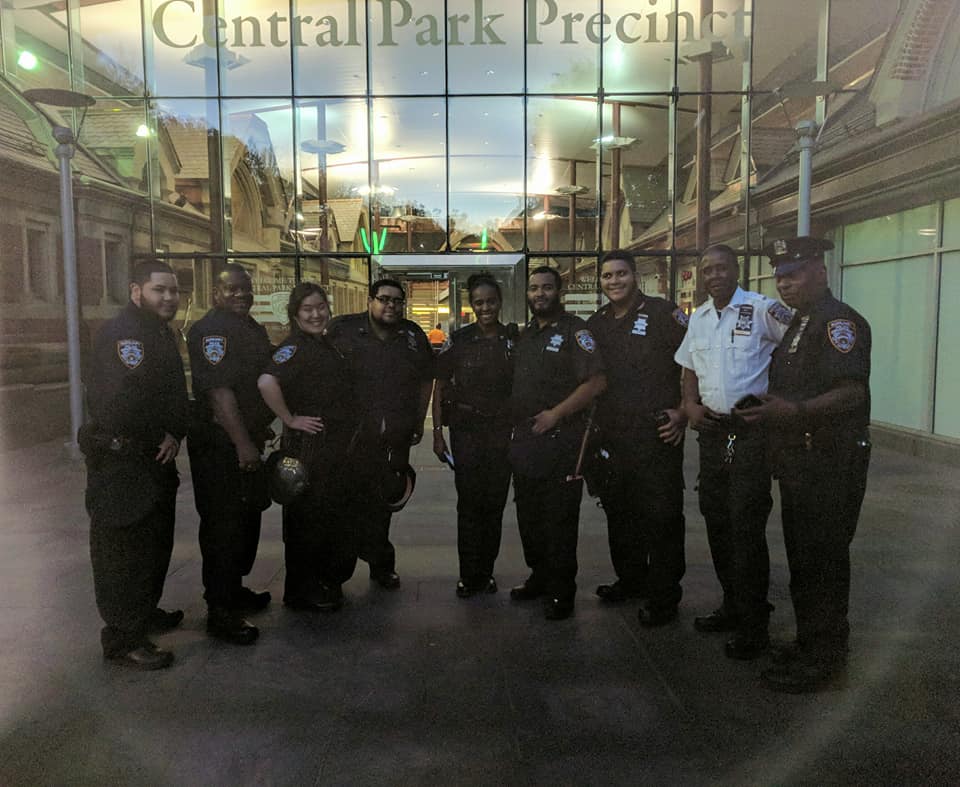
The 10-week training program changed me. I had to study some law enforcement fundamentals such as criminal law, radio codes, and our responsibilities and limitations as peace officers. I learned quickly that people feel safest when you speak with some amount of authority in emergency situations. I was brought up to speak deferentially, so this concept was entirely new to me. As the training program progressed, I learned to speak with poise and confidence on the streets. I developed more situational awareness of the space around myself. I learned how to communicate critical and complex situations over the radio. Though we all came from different walks of life, I felt connected to my community of volunteers.
doubts
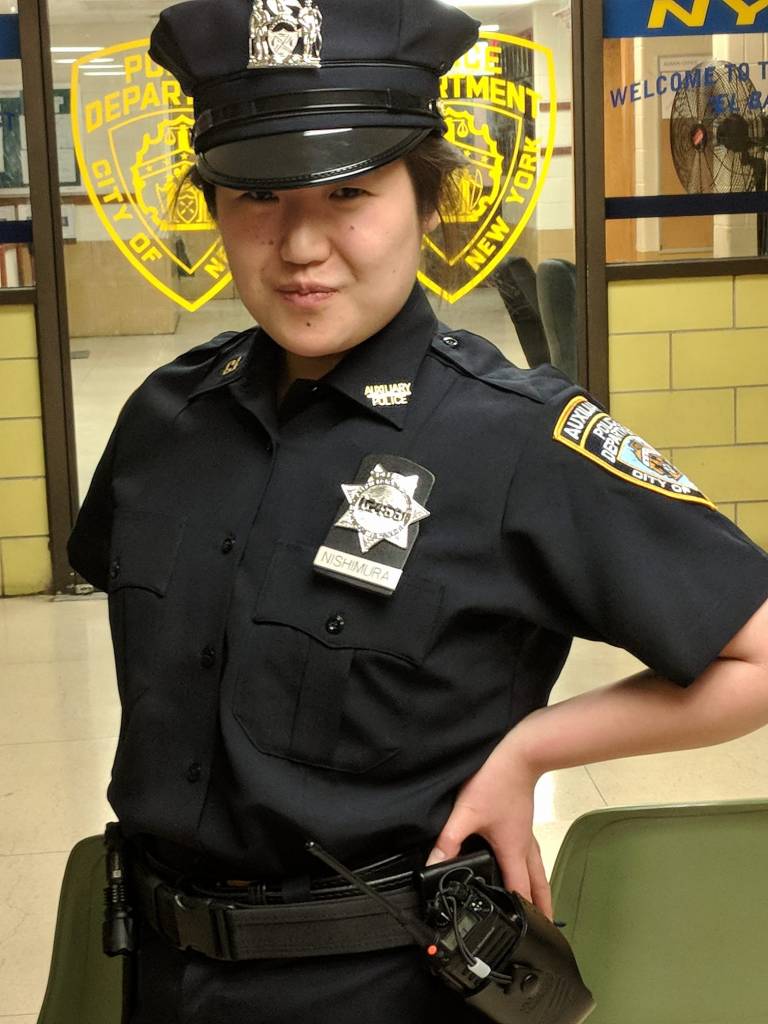
In the summer of 2020, amidst the Black Lives Matter protests, I learned that not everyone had the same positive experience with the NYPD. I got a lot of questions about my time in the program. I tried to answer truthfully. My volunteer program is quite diverse and I haven’t really seen any racial discrimination in my unit. It took me a long time to piece together why it unsettled me so much when somehow these answers led to many people I knew for a long time or barely at all assuming that I support systemic racism.
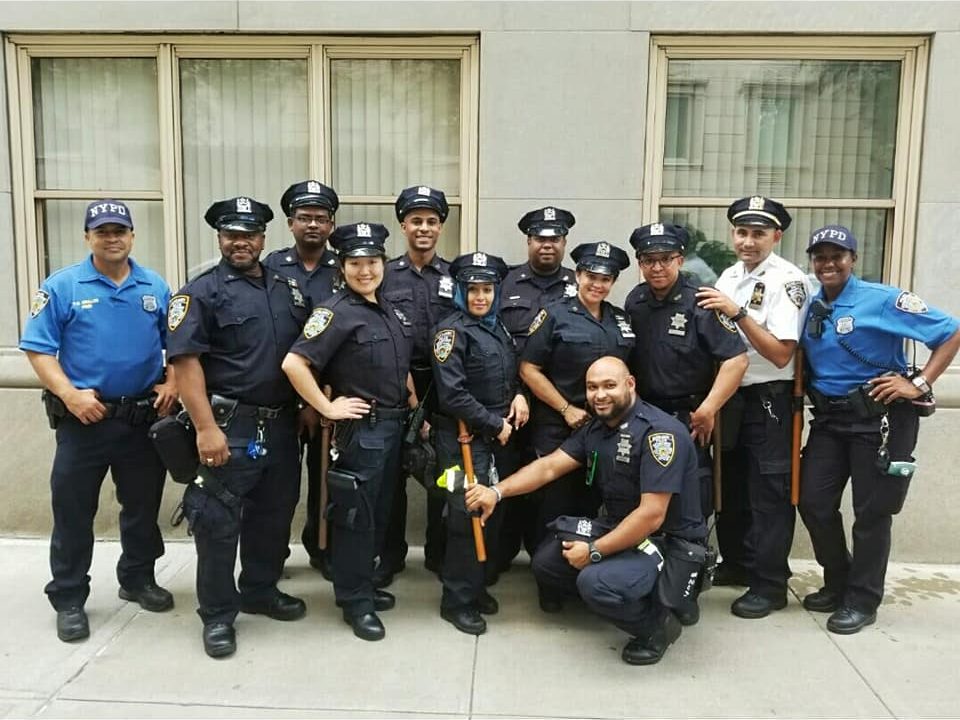
I eventually identified that I felt people were making blanket judgements about me for being a police officer. Some messaged me daily past 2 AM desperately trying to help me “see the light” so they don’t have to hate me. Other gave me the repeated “it’s okay to change your mind” or “you’re too close to the topic to have a reasonable opinion” whenever I tried to work out our differences in opinion. Sometimes, it felt like I was talking to chatbots because the back and forth never led to enlightenment on either side. For the first time in my life, I was experiencing hostile discrimination.
Being targeted as a woman can be terrifying, and I have often been taken advantage of for my deferential behavior from my Asian upbringing, but I have never been concerned that someone might fear me enough to attack me, verbally or physically.
Eventually, I became profoundly sad for those who experience such things every day. My experience was limited to a very intense month of hellfire, but I imagined feeling this way from a young age… and not for a uniform I chose to wear but for the color of my skin. I imagined seeing people that look like me being treated differently in every aspect of their life and have the bravery to still aspire for more. I imagined having to prove my competence in every professional situation I entered (something I thought I had personal experience with, but realized was not at all to the same degree as other demographics). I imagined being told it’s all in my head and society is supporting me but maybe I’m just not good enough. I imagined the weight of these experiences on my mental health.
piecing things together
I thought about whether I’m supposed to be quitting. Are all cops bastards? Does staying in this program mean I’m a thug that just wants to belong in a violent organization? Am I really not the right person to be in this conversation? Paying attention surfaced that racism did exist in many corners of the police community. A Dominican police officer explained to me one night on patrol that a lot of the young cops that aren’t black or brown come from the suburbs of Long Island where there is very little diversity in the community. He pointed at some kids playing on a busy intersection on Broadway and 96th Street.
“Do you think a black kid raised by white parents thinks he’s black or white?” He then followed up with, “If white parents tell their white kids certain things about black people, and then they come to the city and deal with a lot of criminals in Harlem, what would they naturally think of black people?”
a responsibility of the uniform
I realized that how I move forward with my service had nothing to do with how my peers perceived me; it had everything to do with my own intentions. Given what I know now about the present state of the world, if I wasn’t willing to clarify my intentions, I did not belong in that uniform. Even if I end up deciding my position is wrong, I must take a position because everyone doing what “feels right” hasn’t helped this conversation move along.
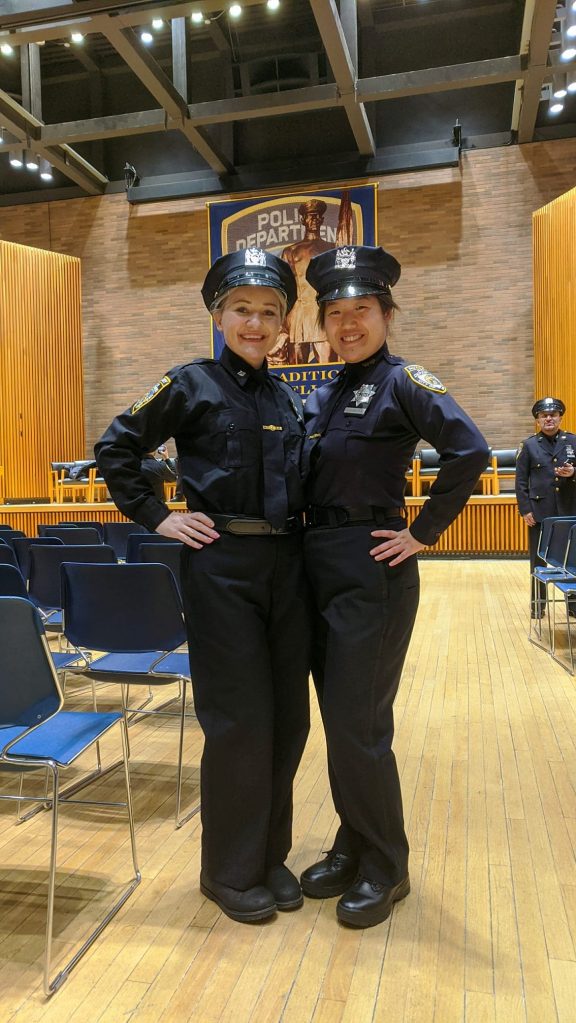
I eventually also understood that not everyone who supports BLM is as extremist as the more violent posts I’ve seen online. I needed to put inner work into not associating those extremist views with the broader majority that just want to see things get better. I was a source of cognitive dissonance for my friends who cared about me but wanted to hate cops, and we can work through that together (or not).
I came to the conclusion that I did want to continue wearing this uniform. I have always served my community, and being in an unarmed unit keeping the community safe on foot patrols and at community events or city-wide parades did not conflict with my passion to make things better.
 Tay Nishimura